
"export grade"
6000 article(s) found

A brief introduction to the grinding scale production area of Ethiopian coffee beans by describing the characteristics of taste and flavor
Brief introduction of Ethiopian coffee bean characteristics, taste and flavor description method grinding scale production area Coffee is Ethiopia's most important export cash crop and the main source of Ethiopia's foreign exchange earnings. Ethiopia's coffee exports account for about 3% of the world market, making it the eighth largest coffee exporter in the world. Coffee exports increased steadily from 58000 tons in 1990 to 1995-1996.

The ranking system of raw beans in coffee producing countries introduces what is the best grade of coffee beans.
Ethiopia (rated in proportion to defective beans) before the emergence of the Ethiopian Commodity Exchange (Ethiopia Commodity Exchange referred to as ECX), Ethiopia's coffee export grade was established by the CLU Department (Cupping and Liquoring Unit) under the Ministry of Agriculture, mainly according to the number of defective beans in 300g. The classification criteria are as follows.
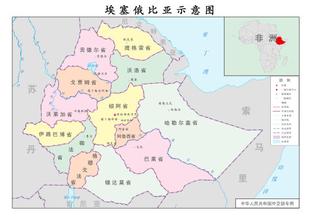
Ethiopian Coffee Coffee producing areas, Coffee Brands, Coffee Brands introduction
Ethiopia is one of the major producers of Arabica coffee in Africa, producing the best Arabian coffee in the world. It is said that coffee was first discovered by shepherds in Essekafa, and the name of coffee evolved from Kafa, so Essex is still the hometown of coffee. The geographical environment of coffee production and processing is very suitable for coffee growth. Coffee is mainly cultivated.

Is supremo the Best Coffee Bean? how supre are Columbia supremo Coffee beans?
Professional coffee knowledge exchange more coffee bean information please follow the coffee workshop (Wechat official account cafe_style) Front Street-Columbia Coffee grading system introduction if you have different kinds of Colombian coffee sacks, you will find that each sack will be written Excelso-Caf de Colombia. Whether it's EP,SUPREMO,UGQ, as long as it meets Colombian exports.

Description of Flavor of Yejiaxuefei Coffee Manor introduction of Grinding scale in producing area
Yega Chuefei Coffee Manor Flavor description Taste Variety characteristics of production area Grinding scale introduction of Ethiopian washed Coffee Yega Chefe G1 G2 Cedamo (Yirgacheffe, Sidamo) the highest grades are Grade 2 and Grade 3 (G2, G3), and most of the sun-processed coffee in eastern Ethiopia are Grade 4 or Grade 5 (G4, G5). In many cases, level 4 coffee is marked as level 5 in order to
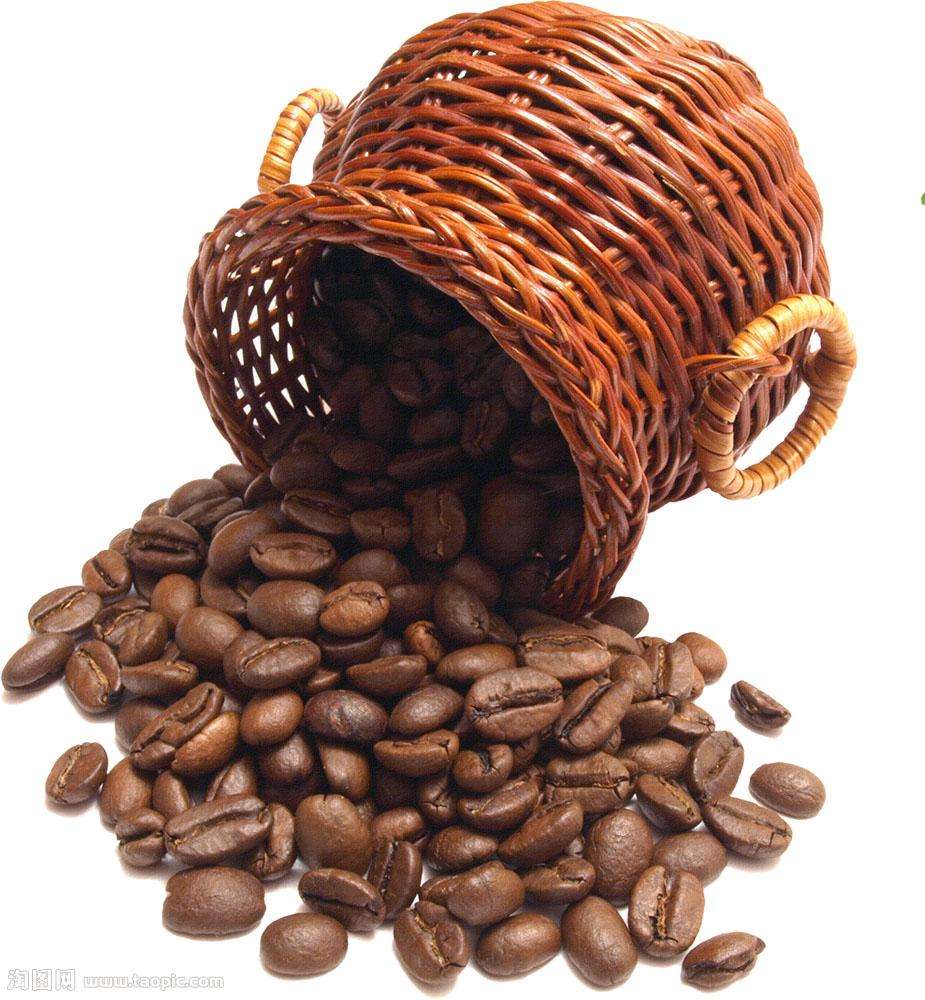
The characteristics of Ethiopian coffee, the introduction of Ethiopian coffee
Following Caf é (Wechat official account vdailycom) found that Beautiful Cafe opened its own shop Ethiopia (Ethiopia) is one of the major producers of African Arab coffee beans and produces the best Arab mocha beans in the world. It is said that coffee beans were first discovered by shepherds in the Kafa region of Ethiopia, and the name of coffee evolved from Kafa.
Grading system of major coffee producing countries in the world popular science coffee grade shb and coffee bean grade G1
Professional coffee knowledge exchange more coffee bean information please follow the coffee workshop (Wechat official account cafe_style) the latest coffee raw bean knowledge collation: coffee bean grading and naming rules want to drink a certain quality of selected coffee beans, starting from understanding the grading system of coffee-producing countries is a necessary lesson for each producing area, each piece of soil, different climate, different treatment methods

The advantaged trade situation of the main exporting countries of Colombian coffee
Professional baristas follow the Coffee Workshop (official Wechat account cafe_style) in 1808, coffee was first introduced to Colombia by a priest from the French Antilles via Venezuela. Today, the country is the second largest producer after Brazil, with an annual output of 13 million bags of 60 kg each, while Brazil produces 22 million bags.

Coffee producing area Colombia
Coffee was first introduced to Colombia in 808 when it was brought by a priest from the French Antilles via Venezuela.
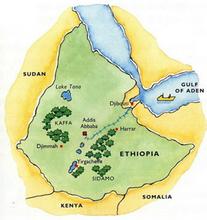
Introduction to Boutique Coffee Estate; Details of Ethiopian coffee beans (mocha)
Ethiopia (Ethiopia) is one of the major producers of Arabica coffee beans in Africa and produces the best Arabica mocha beans in the world. It is said that coffee beans were first discovered by shepherds in the Kafa region of Ethiopia, and the name of coffee evolved from Kafa, so Ethiopia is still the hometown of coffee. Production and processing of coffee beans Ethiopia

Introduction on the grade of blue mountain coffee what are the characteristics of authentic blue mountain coffee beans
According to the law, only beans produced in the Blue Mountain area can be called Blue Mountain Coffee. High-quality Blue Mountain Coffee is divided into three grades: No. 1 (more than 17cm 18 mesh), No. 2 (16 mesh) and No. 3 (15 mesh), with a size of 17 mesh equivalent to 17x64 inches; they taste (all through dental sales and recognized by the government.
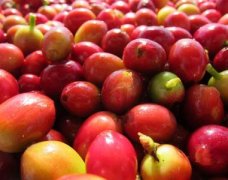
Ethiopia producing area yejia snow coffee fine coffee bean varieties planting market price profile
The world-famous Ethiopian coffee mainly includes: 1. Limu coffee grows between 1400 meters and 2000 meters above sea level. washed coffee. Excellent quality, with intense nutty aromas, moderate acidity and wine intensity. Annual production of 29,000 tons. Gima coffee grows between 1400 and 1800 meters above sea level. Sunburn coffee. Slightly sour, nutty and long finish.
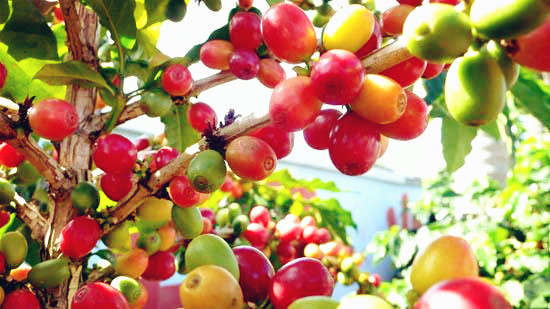
Ethiopian coffee is the origin of Ethiopian coffee and the culture of coffee ritual.
Ethiopia is one of the major producers of Arabica coffee in Africa, producing the best Arabian coffee in the world. It is said that coffee was first discovered by shepherds in Essekafa, and the name of coffee evolved from Kafa, so Essex is still the hometown of coffee. The geographical environment of coffee production and processing is very suitable for coffee growth. Coffee is mainly cultivated.

Introduction to the grinding scale of Ethiopia Esopia Lion King coffee bean flavor description method
Ethiopia Esopia Lion King Coffee Bean Flavor description method Grinding scale introduces washed coffee accounts for 35% of exports. Good quality washed coffee is processed with freshly picked fully ripe fruit, picked carefully and closely monitored by professionals. The picked clean coffee beans are pulped on the day of picking, then fermented, washed, dried and peeled. After processing
Understand the classification characteristics of Blue Mountain Coffee what is the grade of Jamaica Blue Mountain No. 1 coffee bean
According to the law, only beans produced in the Blue Mountain area can be called Blue Mountain Coffee. High-quality Blue Mountain Coffee is divided into three grades: No. 1 (more than 17cm 18 mesh), No. 2 (16 mesh) and No. 3 (15 mesh), with a size of 17 mesh equivalent to 17x64 inches; they taste (all through dental sales and recognized by the government.

Introduction to the characteristic species of Colombian Coffee beans Lazmus Manor
In the early 1960s, coffee production was about 600kg per hectare. Now it has risen to about 900kg, and some farms can reach 2500 kg. However, quality assurance is a top priority for the coffee industry. Colombia established the National Coffee Management Association (Federacion Nacional de Cafeteros, or FNC) in 1927, which is responsible for quality supervision. Although the association is a private company

Causes of coffee desolation in southeastern Ethiopia
The reason for the desolation of coffee in southeastern Ethiopia is Ethiopia. The grading and quality control system of coffee is divided into three levels: producer, regional and national. All coffee is inspected by local inspection agencies before leaving the country of origin, and then re-tested at the coffee inspection and grading centers in Addis and Diredawa to determine its quality grade. Coffee is divided before auction and sale
Colombian coffee raw bean grading method
One: according to the defect rate, the number of defective beans allowed per 500 gr sample:-Private raw bean exporter: 72 defects-National Coffee Council: 42 defects defective beans are divided into two types:-first: known as first-level defects-second: called second-level defects first: main defects (defects that affect coffee taste characteristics): black beans, moldy beans.

A brief introduction to the boutique coffee manor; a detailed introduction of coffee beans in Ethiopia (mocha)
The characteristics of Ethiopian coffee: the geographical environment of Ethiopia is very suitable for coffee growth. Mocha coffee is mainly grown in the southern highlands between 1100 and 2300 meters above sea level. The main coffee producing areas are Harald (Harar), Limu (Limu), Djimma (Djimma), Sidamo (Sidamo), Kaffa (Kafa), Yergacheffe (Yega Snow) and Wolai.

A brief introduction to the flavor, taste and aroma characteristics of coffee beans in Harald Moka Manor in Ethiopia
The geographical environment of Ethiopia is very suitable for coffee growth. Mocha coffee is mainly grown in the southern highlands between 1100 and 2300 meters above sea level. The main coffee producing areas are Harar, Limu, Djimma, Sidamo, Kaffa, Yergacheffe and Wellega. These lands